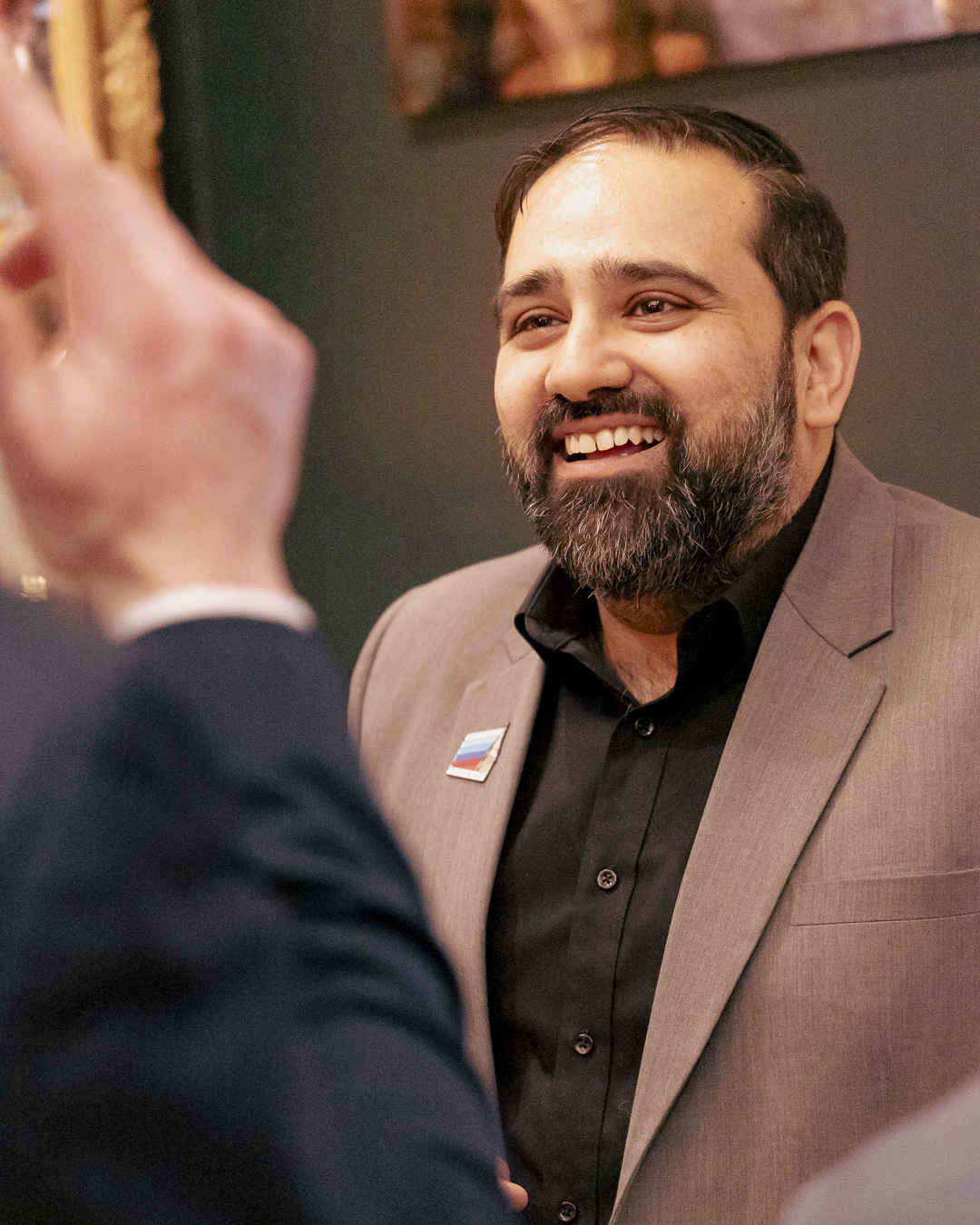
Ottawa’s professional event scene is busier than most people outside it realize. Real estate associations, tech meetups, trade groups, industry galas, networking nights – there’s a lot happening, and a lot of organizations putting serious effort into making it happen. Most of them walk away with a great evening and almost nothing to show for it online.
That’s not a small miss. A well-run event is one of the best content opportunities a business or association has. The room is full, people are engaged, your brand is front and centre. If nobody’s capturing it properly, all of that disappears when the venue turns the lights back on.
The night ends. The content doesn’t have to.
Think about what a single well-photographed event actually produces. Not just a few decent shots – a real, deliberate set of images built for use across channels.
- Speaker highlights for LinkedIn and post-event recaps
- Audience and crowd shots that demonstrate attendance and energy
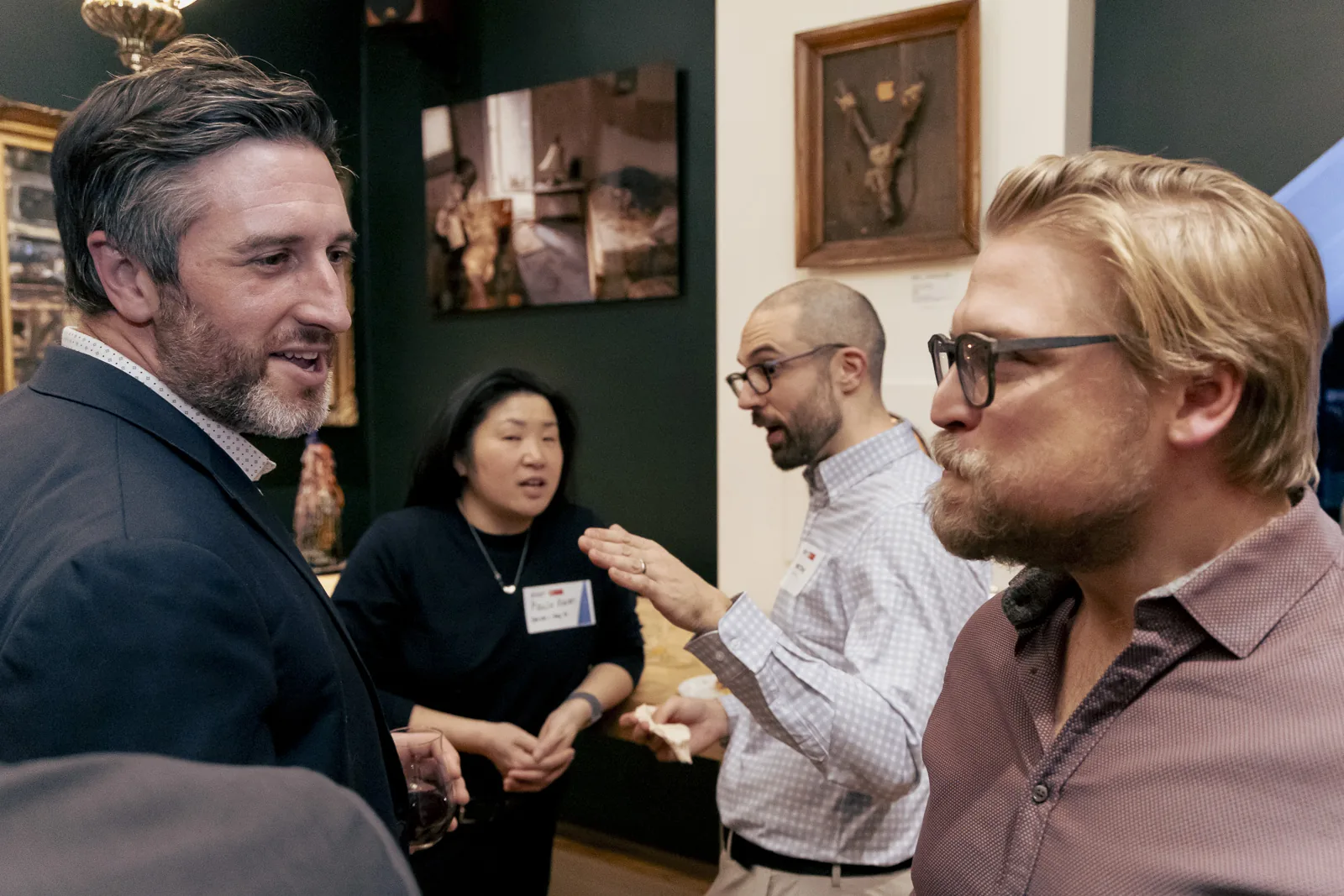
- Candid networking moments that feel genuine, not staged
- Sponsor and branding visibility for your reporting
- A promotional image set for the next event
- Team and leadership photos that double as professional headshots
That’s months of content from one evening. The images keep working long after everyone’s gone home. A conference recap post in November can promote the next event in February. A speaker highlight from a networking night can go out the following week and drive registrations for the session after that.
Documentation versus coverage
The most common version of event photography at Ottawa business events is someone circling the room with a camera, shooting whatever’s happening, and handing over 200 similar photos three days later. That’s documentation. It’s not coverage.
Documentation captures what happened. Coverage produces assets you can actually use.
The difference is in the brief. A photographer who knows what the images need to do – what platforms they’ll live on, what story they’re supporting, what sponsors need to be visible – shoots completely differently than one who’s just trying to fill a memory card.
It’s the same principle as hiring a contractor. You can hand someone a hammer and say “build something,” or you can walk them through the space, explain what you’re trying to accomplish, and get something back that actually fits. The skill level might be identical. The outcome isn’t.
What to tell your photographer before the event
A short conversation before the night starts is worth more than a long email after. A few things worth covering:
- What are the images primarily for? LinkedIn and social media need different framing than a sponsor report or a website header.
- Who are the key people? Speakers, executives, sponsors – make sure your photographer knows their faces before the room fills up.
- What does attendance look like? If showing a full room matters for next year’s sponsorship pitch, that needs to be a deliberate shot, not an afterthought.
- Are there brand or sponsor elements that need to appear? Logos, signage, step-and-repeats – these don’t accidentally end up in photos. They have to be planned.
- What’s the tone? Some organizations want formal and polished. Others want candid and energetic. Both are valid; your photographer needs to know which one they’re delivering.
One event, properly covered
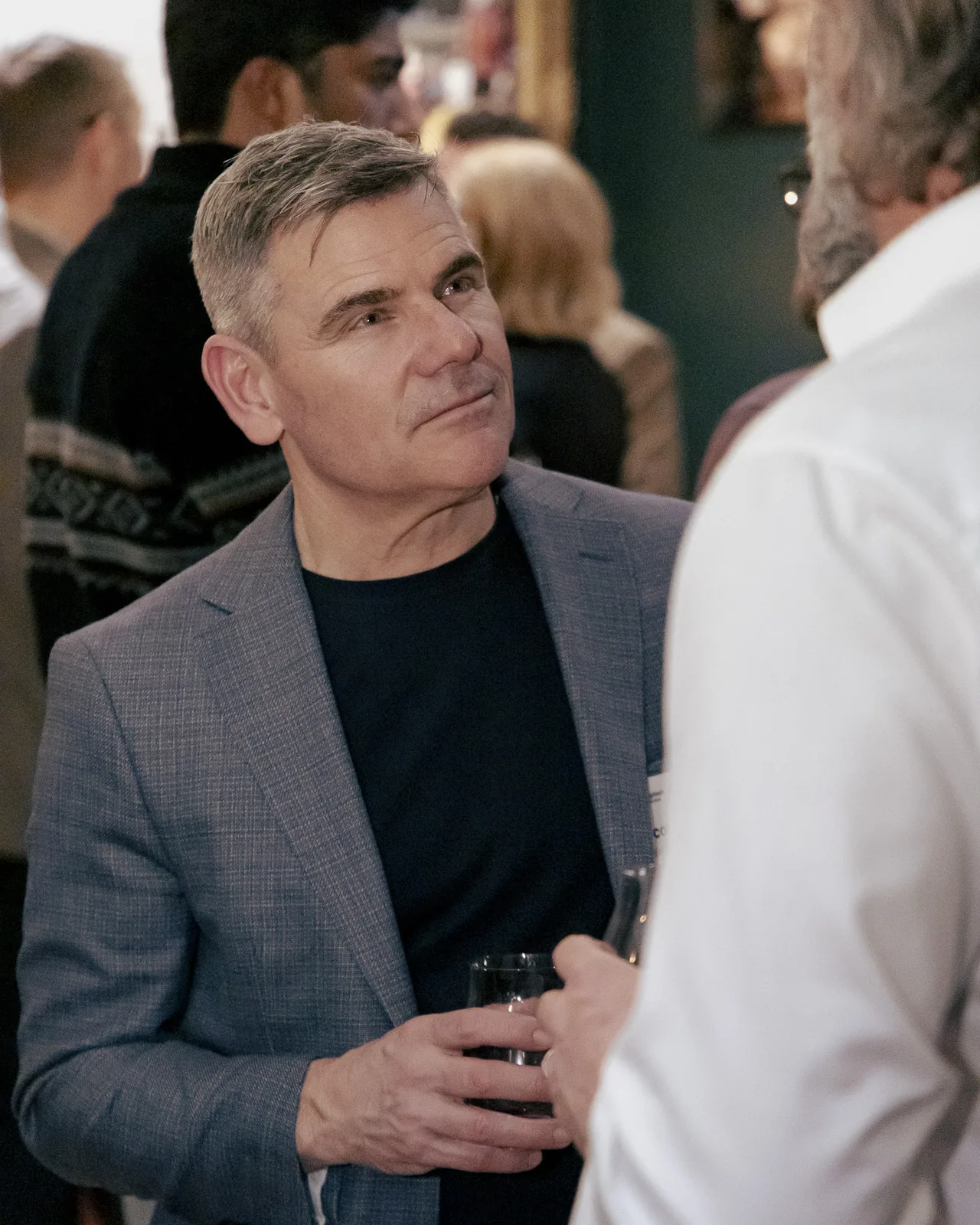
The Proptech Collective events in Ottawa are a good example of what this looks like in practice. Real estate and technology professionals, a packed room, a mix of speakers and networking. The goal wasn’t just to document the evening – it was to produce images that made the next event easier to sell.
Part of that is making sure sponsor branding actually appears in the photos. That doesn’t happen by accident – it’s a conversation before the doors open. A candid moment in front of the event banner accomplishes two things at once: it shows a real attendee, and it shows the organization that made the evening happen.

The images from a single night covered candid networking moments for LinkedIn, attendance shots for sponsor reporting, and branding coverage that ran in promotions for the following event. That’s the return on investing in proper coverage instead of whoever happened to have a camera that evening.
You can see the full gallery from that event at the Proptech Collective client gallery.
If you’re attending, not organizing
Not everyone at Ottawa business events is running them. If you’re the one showing up to network, the photo that follows you home from every event is your LinkedIn headshot. It’s what people check the morning after they meet you. A current, professional headshot does a lot of quiet work for your credibility – especially when you’re showing up regularly at industry events. If that’s overdue, take a look at headshot sessions.
What this kind of coverage costs you if you skip it
The real cost of under-photographed events isn’t the missing images. It’s the compounding effect over time.
Organizations that consistently document their events well build a visual library. Every email, every social post, every sponsorship proposal has something real to pull from. Organizations that don’t are starting from zero each time – writing copy without images, sending emails with stock photos, pitching sponsors on events that look smaller than they actually were.
The gap between those two organizations gets wider every year, not narrower.
If you’re running Ottawa business events and want coverage that produces content you’ll actually use, take a look at how I approach event photography and see if it fits what you’re organizing.